Strong
Versatile
Composite
We use composite materials wherever conventional materials reach their limits. Glass fibre-reinforced plastics are lightweight, strong and highly versatile. Whether it is a one-off solution, the adaptation of an existing system or a completely new development, what matters is that it works – reliably, economically and in real-world applications.
Composite materials – such as fibreglass or glass fibre-reinforced plastics – are ideal for visible components, complex geometries and, not least, durable applications. Our strength lies in understanding the requirements and turning them into practical, effective solutions.
We listen, think ahead and develop solutions that do more than work on paper – they perform in real-world use. From one-off components and prototypes to small series, we support every stage from the initial idea and mould making through to production – precisely and efficiently.
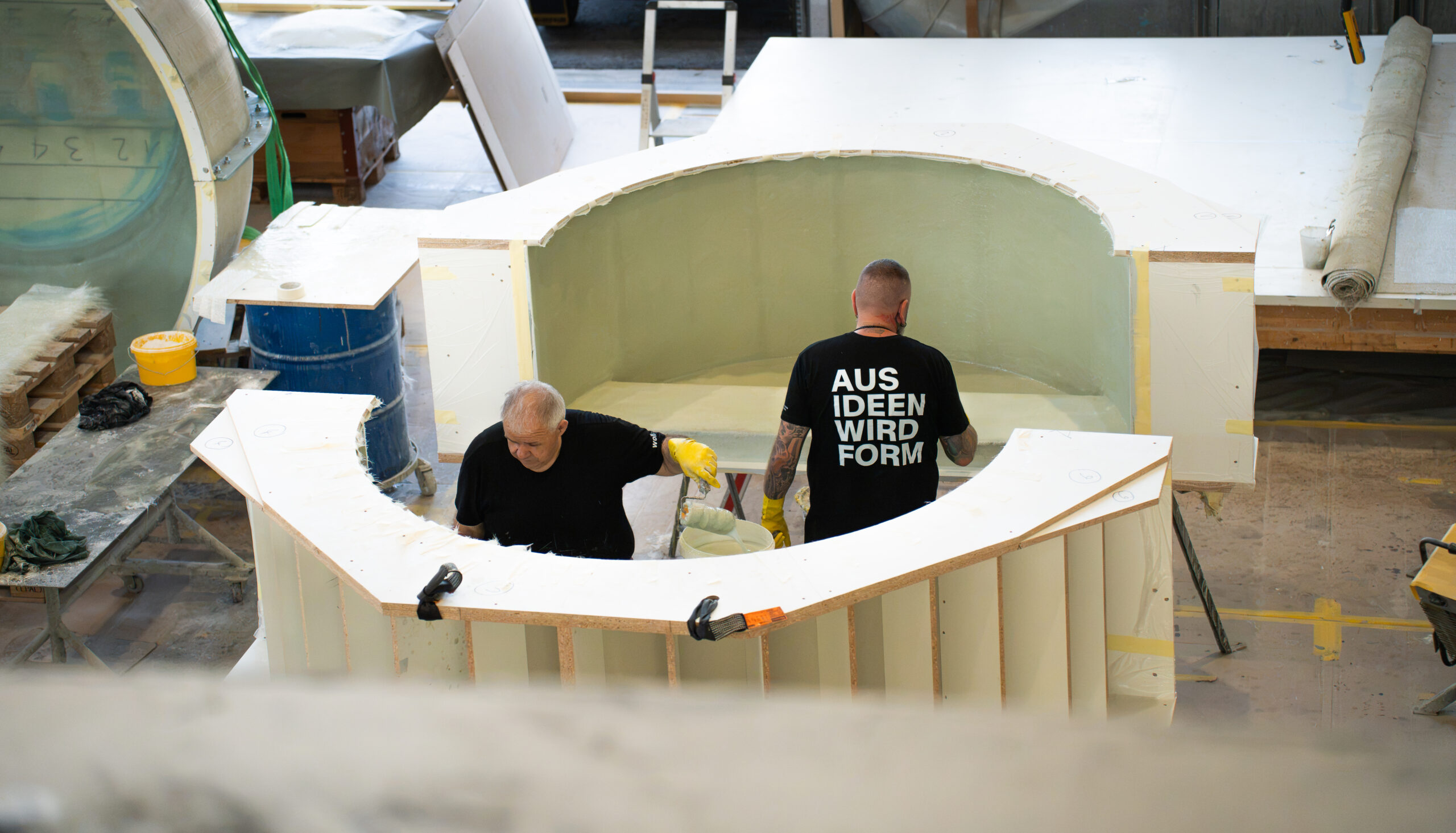
The foundation of every composite component is the mould. We develop high-precision negative moulds, carefully tailored to the geometry, material and production volume – for both prototypes and series production. The result is precise components with high-quality surfaces.
GRP delivers
Glass fibre-reinforced plastics offer excellent compressive, flexural, tensile and impact strength. This modern composite material combines fine glass fibres with high-quality resin, resulting in a material that is lightweight, strong and highly durable.
GRP is weather-resistant, corrosion-free, electrically insulating and highly resistant to chemicals. Compared with metal, it requires little maintenance and remains durable and dimensionally stable even under demanding conditions.
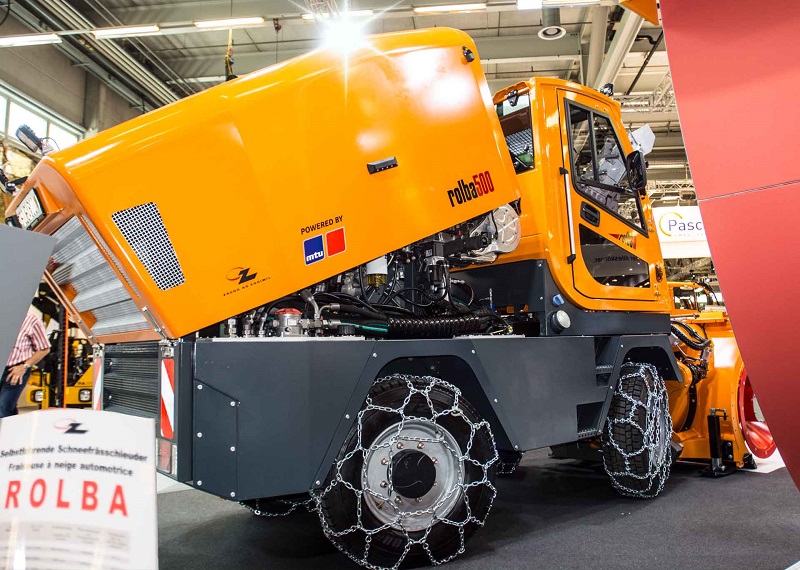
Thanks to its versatile properties, GRP is suitable for a wide range of applications in industry, construction and design – including cladding for vehicles and machinery, façade elements, boats, gliders, as well as pipes and tanks. At the same time, GRP offers great freedom in terms of shape, colour and surface finish.
The materials
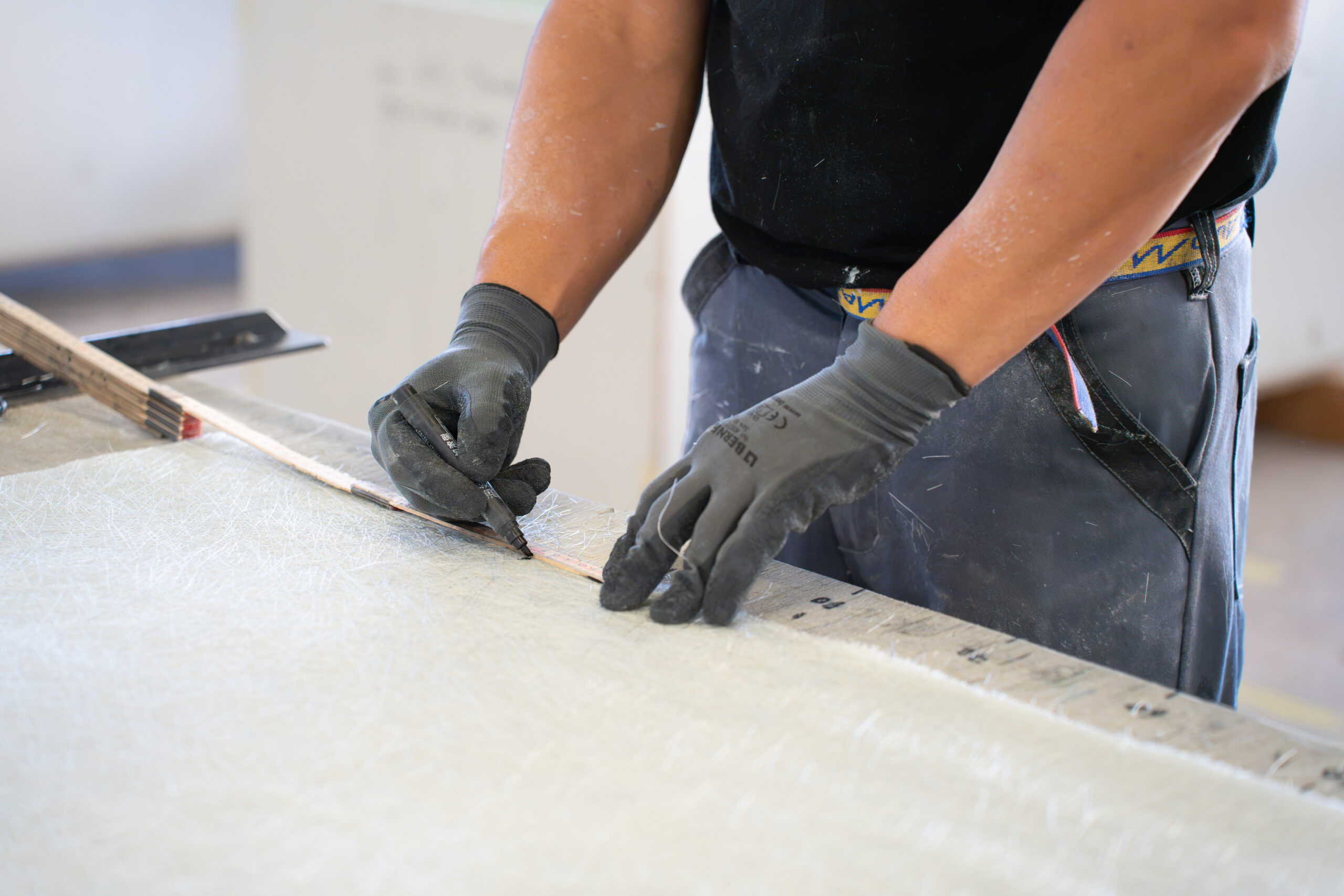
We process polyester resin with glass fibre mats and woven reinforcements using the traditional hand lay-up method. Layer by layer, we create individually designed GFRP components tailored to their shape, load requirements and intended use.
Wall thicknesses, reinforcements, inserts and connections with other materials can be integrated as required. Surface, colour and finish can also be adapted to the specific application.
Repairs
A major advantage of glass fibre-reinforced plastics is that most damage can be repaired with relatively little effort. Slides, vehicle components, cladding, tanks and many other parts can be repaired at our workshop. If transport is not possible, we also carry out repairs on site – for example on silos or swimming pools.
Custom-made planters
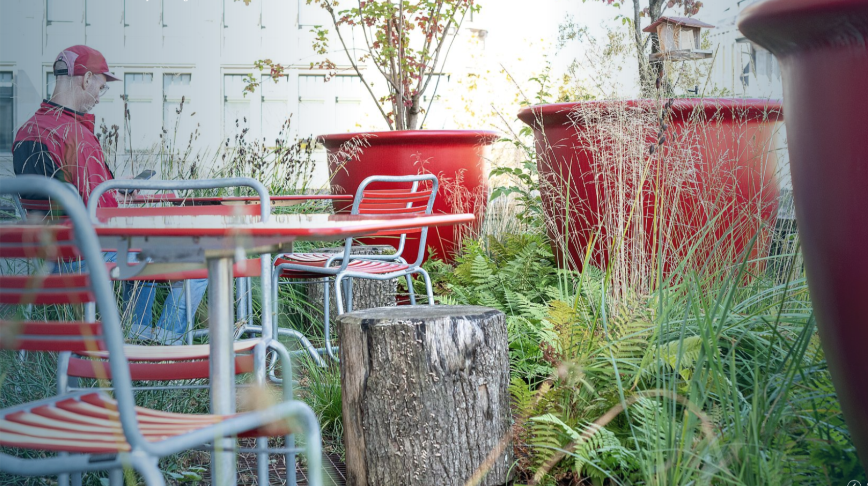
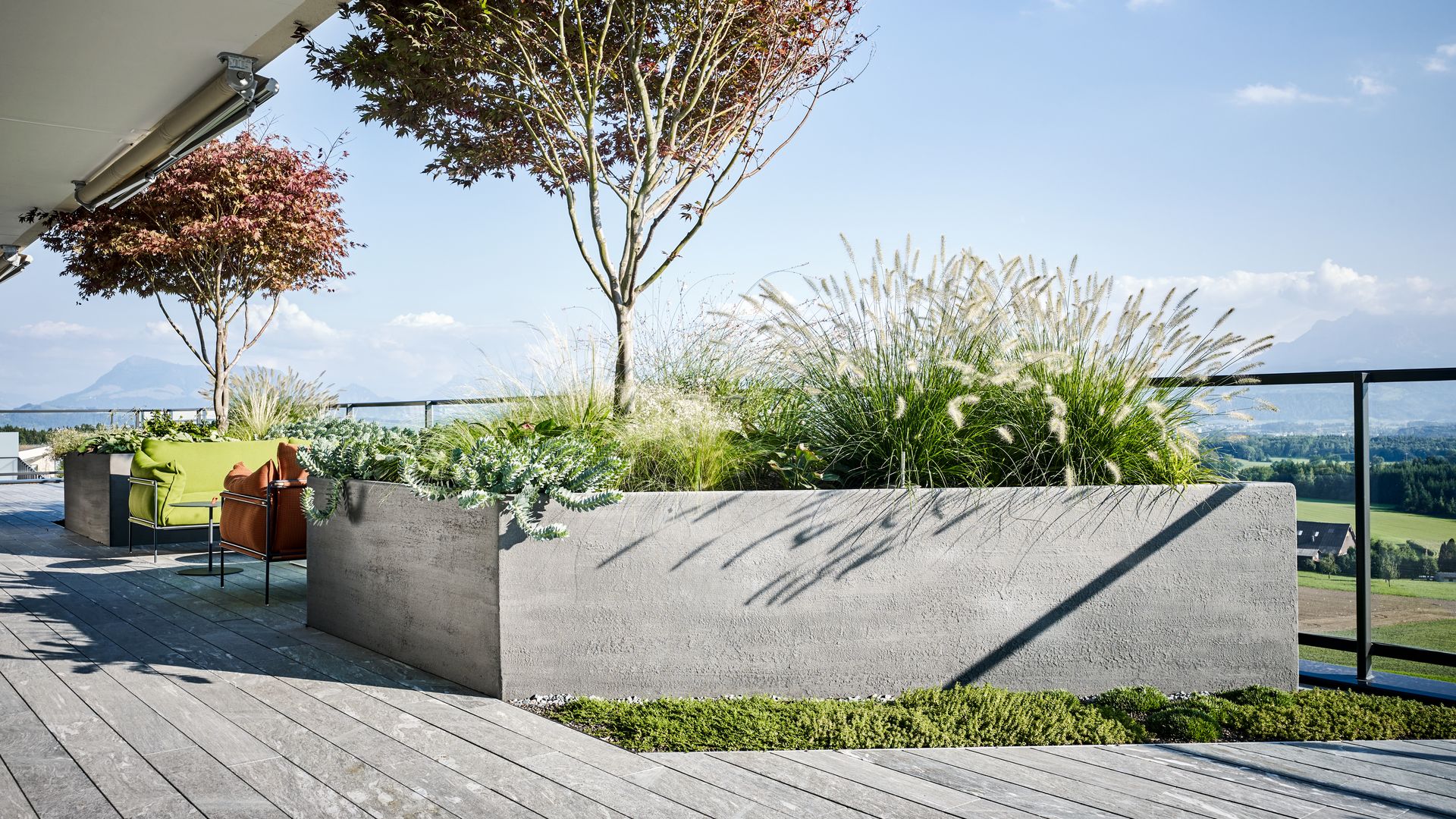
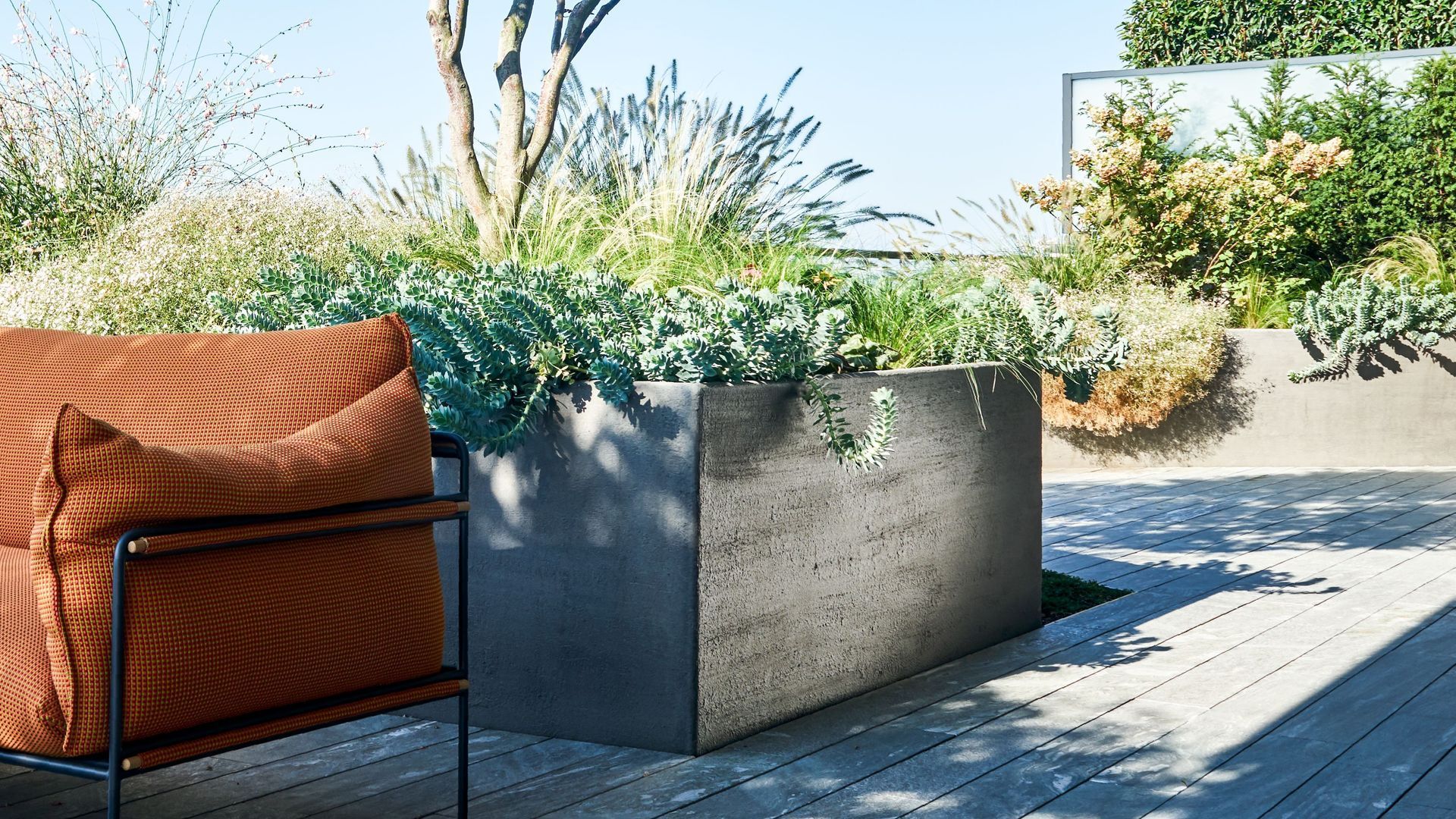
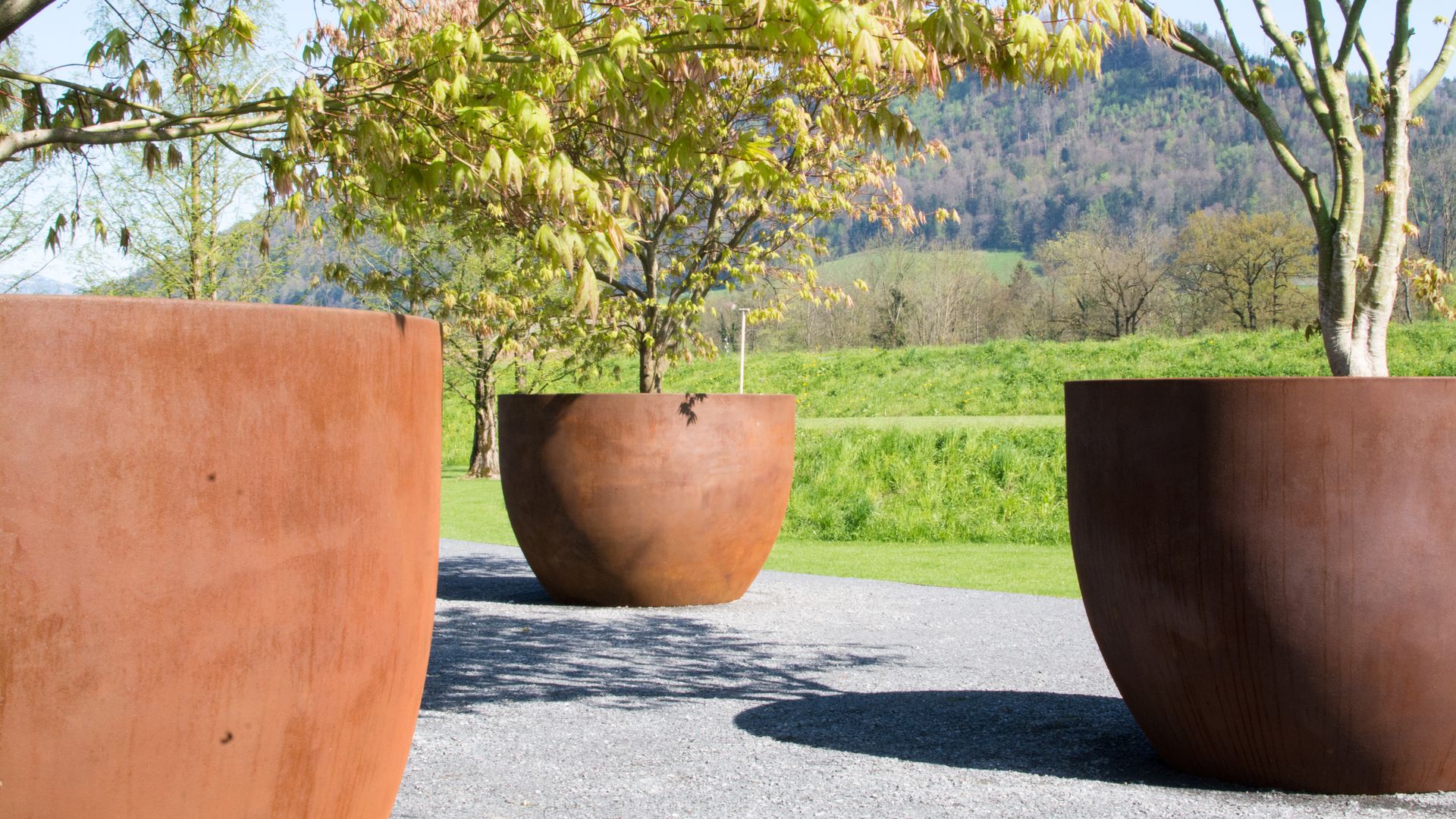
A classic application for composite materials is large planters. With the right material, they can be custom-made to meet individual customer requirements – offering high strength, low weight and virtually unlimited freedom in shape, colour and size, while remaining exceptionally easy to maintain.